Introduction: The Scope and Importance of Data Privacy, Digital Sovereignty, and Compliance
In the 2020s, data privacy has become a central concern for organizations, policymakers, and privacy professionals worldwide. This article provides a comprehensive overview of three interconnected topics: digital sovereignty, data privacy, and compliance. It is designed for organizations, policymakers, and privacy professionals who are responsible for managing, regulating, or safeguarding personal data in an increasingly complex digital landscape.
Data privacy is the principle that a person should have control over their personal data, including how organizations collect, store, and use it. As digital technologies evolve and data flows increase, the need for robust data privacy protections has never been greater. The topic of data privacy is especially relevant today, as users, businesses, and governments face new challenges in protecting sensitive information and complying with a rapidly changing regulatory environment. Many countries have adopted their own privacy regulations, often recognizing privacy as a fundamental human right, as acknowledged by institutions like the United Nations.
Digital sovereignty—the ability of a state or organization to control its own digital infrastructure and data—has emerged as a key strategy for ensuring data privacy and compliance with evolving regulations. The relationship between digital sovereignty and data privacy is crucial: digital sovereignty empowers entities to enforce data privacy standards, comply with local and international laws, and build trust with users.
For organizations and policymakers, understanding how digital sovereignty and data privacy intersect is essential. In an era marked by high-profile data breaches, regulatory changes, and growing public awareness, mastering these concepts is vital for maintaining digital autonomy, competitive advantage, and user trust. Notably, there is no comprehensive national privacy law in the United States, resulting in a fragmented approach to privacy regulation.
Transition: To understand the current landscape, let’s examine what recent data reveals about the growing importance of digital sovereignty and its connection to data privacy.
Key Definitions in Data Privacy and Digital Sovereignty
In today’s rapidly evolving landscape of data privacy and digital sovereignty, mastering key definitions isn’t just essential—it’s your competitive advantage! Organizations that truly understand these concepts don’t just meet compliance requirements; they build exceptional user trust and unlock significant business value. Below are the most powerful terms and concepts that will elevate your data protection strategy and deliver real results for your organization.
Data Privacy:Data privacy represents the fundamental principle that puts individuals in complete control over their personal data, including sensitive information like financial records, health data, and biometric identifiers. Protecting personal information isn’t just a legal requirement—it’s a fundamental human right and a growing public expectation! As online services and social media platforms collect unprecedented amounts of consumer data, your commitment to data privacy becomes your strongest differentiator in the marketplace.
General Data Protection Regulation (GDPR):The GDPR is your comprehensive roadmap to data protection excellence, enacted by the European Union to set the gold standard worldwide. It establishes strict but achievable compliance requirements for organizations collecting personal data from EU residents, with a clear focus on explicit consent, transparency, and accountability. The GDPR also empowers your organization to implement robust technical and organizational measures that ensure data security and protect personal data from unauthorized access or breaches—turning compliance into competitive advantage!
Data Subjects:Data subjects are the individuals whose personal data becomes the foundation of your business operations. Under progressive data protection laws like the GDPR and the Colorado Privacy Act, these individuals gain powerful rights to access, correct, delete, and control their personal data, as well as opt out of certain data collection activities. Understanding data subject rights isn’t just about compliance—it’s about building lasting customer relationships!
Personal Data and Sensitive Data:Personal data encompasses any information that can identify an individual—names, social security numbers, email addresses, and more. Sensitive data takes this further, including specialized categories like health information, biometric data, and financial records that unlock additional value through enhanced safeguards under privacy regulations. Your approach to handling both types of data directly impacts your organization’s trustworthiness and market position.
Data Controller and Data Processor:A data controller determines the purposes and strategic direction of personal data collection, while a data processor executes data handling on behalf of the controller. Both roles carry significant legal obligations under data protection laws, but they also represent tremendous opportunities to ensure security and protection of personal information while delivering exceptional user experiences.
Data Protection Laws and Regulations:Major data protection laws—including the GDPR, Health Insurance Portability and Accountability Act (HIPAA), Electronic Documents Act, and various national privacy acts—establish the framework for your success! These laws create security regulations, fair information practices, and legal obligations that, when properly implemented, transform your organization into a trusted leader while protecting consumers and preventing costly privacy violations.
Data Breaches:A data breach occurs when personal data is accessed, disclosed, or stolen without authorization, but your preparation makes all the difference! While breaches can lead to identity theft, financial loss, and reputational damage, organizations with robust incident response plans and access control measures don’t just mitigate these risks—they demonstrate exceptional resilience and maintain customer confidence even in challenging situations.
Federal Trade Commission (FTC):In the United States, the FTC serves as your regulatory partner in enforcing data protection laws and privacy regulations at the federal level. Organizations that proactively adhere to FTC guidelines don’t just avoid penalties—they position themselves as industry leaders while ensuring full compliance with security regulations and building unshakeable market trust.
Explicit Consent and User Rights:Obtaining explicit consent from users before collecting data represents the cornerstone of modern privacy excellence! Users must be fully informed about your data collection practices and empowered with complete control over their personal information, including the right to opt out of certain processing activities. This transparency doesn’t just meet legal requirements—it creates powerful user loyalty and competitive differentiation.
Technical and Organizational Measures:To protect user privacy and ensure personal data protection, your organization must implement cutting-edge technical measures (such as encryption and access control) alongside strategic organizational measures (including comprehensive staff training and robust privacy policies). These investments don’t just protect data—they deliver exceptional returns through enhanced user trust and market positioning!
Understanding these key definitions isn’t just crucial for navigating compliance—it’s your pathway to exceptional business success! Master these concepts, and you’ll safeguard sensitive data while building unbreakeable user trust in an era of heightened privacy concerns and rapidly evolving privacy laws. Your commitment to privacy excellence becomes your strongest competitive advantage!
What Does Data Say about Digital Sovereignty?
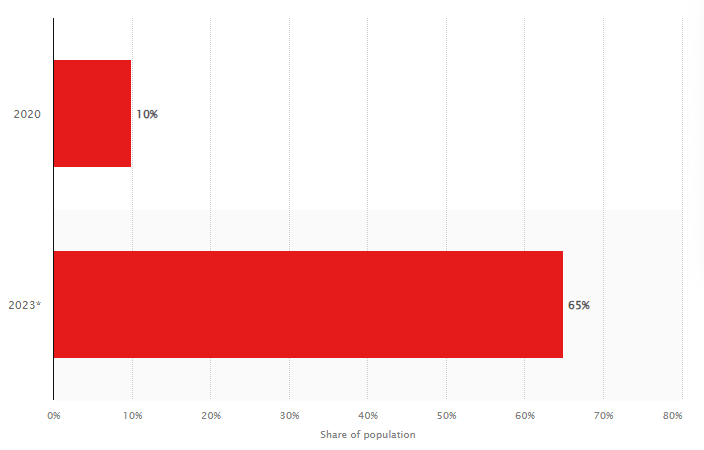
Recent data highlights the growing importance of digital sovereignty and its close connection to data privacy. According to a Eurobarometer survey in 2023, four out of five Europeans (79%) believe that digital sovereignty should be a priority for the EU in the context of global digital competition. This sentiment is echoed worldwide, reinforcing the global push for digital autonomy as countries and organizations strive to control their digital footprint.
The Eurobarometer findings align with increasing concerns about data privacy, especially following incidents like the Facebook–Cambridge Analytica scandal, which underscored the risks of personal data misuse. As individuals become more aware of how their online activities are tracked and used, data privacy has shifted from a secondary issue to a primary concern.
Data privacy, defined as the principle that individuals should have control over their personal data—including how organizations collect, store, and use it—is now at the forefront of digital policy discussions. This growing awareness is driving organizations to prioritize compliance and transparency in their data practices.
Transition: To ensure effective protection of personal data, it is essential to understand the foundational principles that guide responsible data collection.
Principles for Data Collection
Establishing strong principles for data collection is fundamental for organizations seeking to protect personal information and comply with evolving data protection laws. These principles not only safeguard sensitive data but also empower individuals to retain meaningful control over their personal information.
Key Principles for Data Collection:
4.3 Children’s Data
Organizations must pay special attention to children’s data, as children’s privacy and children’s online privacy are protected by a range of federal and state laws. The Children’s Online Privacy Protection Act (COPPA) sets requirements for online services directed at children under 13, including parental consent and limitations on data collection. In addition to COPPA, recent legislative updates have further strengthened protections for minors. For example, California’s Age-Appropriate Design Code (CAADC), Maryland’s Kids Code, and Connecticut’s amendments introduce stricter requirements for the collection, use, and safeguarding of children’s personal information online. These laws enhance privacy rights for children, mandate age-appropriate design, and impose additional compliance obligations on organizations handling minors’ data.
Transparency and Consent
- Obtain explicit consent from data subjects before collecting data.
- Clearly communicate what information is being collected, the purpose, and how it will be used.
- Provide users with the ability to opt out of certain types of data collection.
Data Minimization
- Collect only the personal data that is strictly necessary for the intended purpose.
- Limit data retention to what is required for legal or operational needs.
Children’s Data
- Take extra precautions when collecting data from minors.
- Comply with regulations like the Children’s Online Privacy Protection Act (COPPA), including obtaining verifiable parental consent and providing clear privacy notices tailored to younger audiences.
Security Measures
- Implement robust technical and organizational measures such as access controls, encryption, and secure authentication protocols to prevent unauthorized access, data breaches, or misuse.
- Notify affected individuals and authorities in the event of a data breach, as required by law.
Distinguishing Data Privacy from Data Security:
Data security focuses on protecting data from unauthorized access and misuse, while data privacy emphasizes the rights of individuals regarding their personal data.
By adhering to these principles, organizations can build trust, demonstrate compliance, and contribute to a safer digital environment for all users.
Transition: With these foundational principles in mind, let’s examine the specific concerns that make digital sovereignty a critical issue in today’s digital landscape.
Digital Sovereignty – A Critical Concern
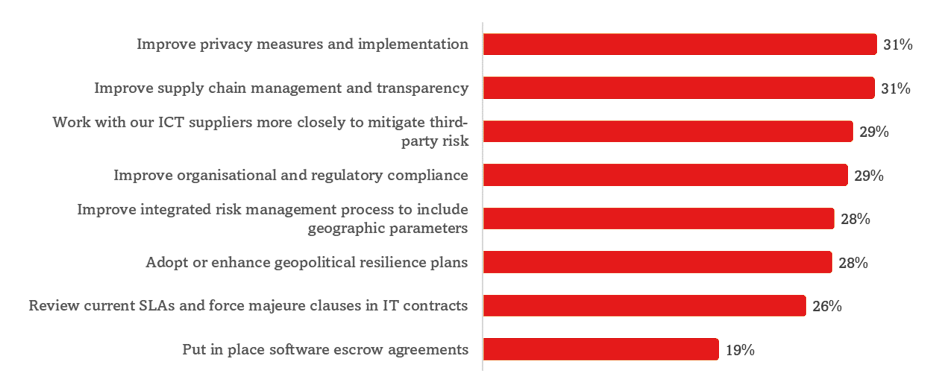
Digital sovereignty is deeply intertwined with data privacy, as both focus on the control and protection of personal data. The major concerns related to digital sovereignty include:
- Data privacy
- Safety of transferred data
- Digital footprint control
- Compliance requirements
Organizations now face a legal obligation to comply with data privacy laws and regulations, such as GDPR. Protecting user privacy is a fundamental concern driving digital sovereignty initiatives.
Transition: As these concerns grow, digital sovereignty is becoming a global trend, influencing policy and regulatory developments worldwide.
Digital Sovereignty – A Global Trend
Data protection and privacy have emerged as critical concerns under the umbrella of digital sovereignty. According to Statista, up to 85% of countries had adopted at least one privacy law by 2021, reflecting a global focus on securing data. The EU’s General Data Protection Regulation (GDPR) set a significant benchmark, with the European Parliament playing a key role in passing the GDPR in 2016 and establishing a new standard for privacy. The GDPR has inspired similar privacy regulations in other jurisdictions, such as the UK GDPR and Canada’s PIPEDA. Additionally, new laws, such as the New York SHIELD Act, have introduced updated security obligations for businesses to protect sensitive personal information.
This global movement underscores the importance of data privacy and digital sovereignty in shaping the future of digital governance.
To understand how these trends are reflected in law, let’s examine major data protection regulations worldwide.
Worldwide Data Protection Laws, Regulations and Legislation
As digital sovereignty and data privacy become global priorities, countries and regions have enacted a range of laws to protect personal data. The GDPR, for example, applies to any organization that targets or collects data related to people in the EU, regardless of the organization’s location. Personally identifiable information (PII) is a key focus of these regulations, with strict requirements on how such data is collected, used, and disclosed. Below, we break down key regulations and their unique features.
GDPR Overview
- General Data Protection Regulation (GDPR), European Union (2018):
- Sets obligations around user consent, data portability, and the right to be forgotten.
- Applies globally to organizations dealing with EU residents’ data.
- Can levy fines up to €20 million or 4% of global revenue.
- Requires technical measures, breach notification, and data minimization.
CCPA and US State Laws
- California Consumer Privacy Act (CCPA), United States (2020):
- Gives consumers the right to know, access, and opt out of the sale of their personal data.
- Applies to consumers, HR, and B2B contexts.
- Provides a private right of action and statutory damages for certain breaches.
- Colorado Privacy Act (CPA), United States (2021):
- Grants residents rights to access, correct, and delete personal data.
- Allows opt-out of targeted advertising and data sales.
- Requires businesses to implement technical measures.
Sector-Specific Regulations
- Federal Trade Commission (FTC), United States:
- Enforces against unfair or deceptive privacy practices.
- Health Insurance Portability and Accountability Act (HIPAA), United States:
- Covers personal health information.
- New York SHIELD Act, United States:
- Establishes minimum security obligations for sensitive data.
- Financial Institutions:
- Subject to specific federal and state laws, such as the Gramm-Leach-Bliley Act, and must comply with data protection and breach notification requirements imposed by financial regulators.
Children’s Privacy Laws
- Children’s Online Privacy Protection Act (COPPA), United States:
- Requires parental consent before collecting data from children under 13.
- California’s Age-Appropriate Design Code:
- Further restricts data processing for minors.
Other Major Privacy Laws
- Lei Geral de Proteção de Dados (LGPD), Brazil (2020):
- Applies to all businesses processing data in Brazil.
- Requires data breach notifications and appointing a data protection officer, and includes the so-called ‘right to be forgotten’ as a commonly cited feature.
- Personal Data Protection Act (PDPA), Singapore (2012, amended 2020):
- Imposes mandatory breach notification and financial penalties.
- Emphasizes user consent, data access, and deletion rights, including the so-called ‘right to be forgotten’.
- Personal Information Protection Bill, India (Pending):
- Aims to regulate personal data processing and ensure privacy rights for Indian citizens.
- Canadian Privacy Law (PIPEDA):
- Regulates how private sector organizations collect, use, and disclose personal information.
- Personal Data Protection Law, Mexico (2020):
- Emphasizes user consent, data access, and deletion rights.
- Personal Information Protection Law (PIPL), China (2021):
- Introduces rules on cross-border data transfers and user consent.
- Personal Information Protection Law (PIPL), Japan (2022):
- Addresses personal data processing and cross-border transfers.
- Personal Data Protection Act, Thailand (2019):
- Focuses on collection, use, and disclosure of personal data.
Organizations can use a variety of data privacy frameworks, such as the NIST Privacy Framework and the Fair Information Practice Principles, to guide their data policies and ensure compliance with these so-called global privacy standards.
Comparison Table of Major Privacy Laws
Law/Regulation | Year | Region | Key Features |
|---|---|---|---|
GDPR | 2018 | European Union | Global scope, strict consent, data minimization, breach notification, high fines |
CCPA | 2020 | United States | Consumer rights, opt-out, private action, HR/B2B coverage |
CPA | 2021 | United States | Access/correction/deletion rights, opt-out, technical measures |
LGPD | 2020 | Brazil | Breach notification, DPO required, similar to GDPR |
PDPA | 2012 (amended 2020) | Singapore | Consent, access, deletion, breach notification |
Personal Info Protection Bill | Pending | India | GDPR-inspired, privacy rights for citizens |
Data Protection Act 2018 | 2018 | United Kingdom | GDPR implementation post-Brexit |
Personal Data Protection Law | 2020 | Mexico | Consent, access, deletion rights |
PIPL | 2021 | China | Cross-border transfer rules, user consent |
PIPL | 2022 | Japan | Data processing, cross-border transfer |
Personal Data Protection Act | 2019 | Thailand | Collection, use, disclosure, data protection committee |
These initiatives underline the importance of data privacy globally. With technological advances and growing data usage, more countries are expected to strengthen their data privacy regulations, reflecting the broader movement toward digital sovereignty.
Transition: As regulations evolve, organizations must also focus on the practical steps needed to achieve digital autonomy and compliance.
The Crucial Role of Digital Sovereignty in Digital Autonomy
The global cybersecurity market currently stands at over $150 billion, reflecting the gravity given to cybersecurity in the pursuit of digital sovereignty. Data security is a critical component of digital sovereignty and is essential for protecting sensitive information, ensuring compliance with legal and regulatory requirements, and mitigating risks.
With digital sovereignty comes digital autonomy, which is increasingly vital for organizations and governments. Consulting firms and service providers handling user data must comply with data privacy and security regulations to maintain trust and legal standing. Most organizations believe that digital sovereign identity will be vital in their industries in the future.
Transition: Achieving digital autonomy requires concrete steps and strategies, especially in the face of evolving regulations and technological challenges.
Steps Towards Digital Sovereignty / Autonomy
Digital autonomy in the 2020s is both essential and challenging. A World Economic Forum survey reports that 91% of executives expect new regulations aimed at breaking up data monopolies in the next five years, highlighting the urgency of digital sovereignty.
Countries are adopting strategies to address these concerns. For example, in France, 96% of citizens emphasize the importance of affirming digital sovereignty. Utilizing on-premises data centers or private clouds, rather than relying solely on hyperscale cloud providers, is a key strategy for enhancing data sovereignty and mitigating risks associated with data breaches or misuse.
On-premises solutions give organizations full control over their data, enabling them to enforce stringent regulations and adapt to evolving compliance requirements. Moving toward private data storage and management is a vital part of any digital sovereignty strategy.
Transition: To help organizations navigate this complex landscape, let’s review actionable best practices for data privacy compliance.
Best Practices for Data Privacy Compliance
For organizations aiming to achieve data privacy compliance, the following best practices are essential:
- Conduct Regular Data Audits: Identify what personal data is collected, where it is stored, and how it is used.
- Implement Data Minimization: Collect only the data necessary for your stated purposes and retain it only as long as needed.
- Ensure Transparency: Clearly communicate data collection practices and privacy policies to users.
- Obtain Informed Consent: Secure explicit consent from users before collecting or processing their personal data.
- Strengthen Security Measures: Use encryption, access controls, and regular security assessments to protect data.
- Train Employees: Educate staff on data privacy obligations and best practices.
- Prepare for Breaches: Develop and test incident response plans, and ensure timely notification of affected individuals and authorities in case of a breach.
- Monitor Regulatory Changes: Stay updated on evolving data privacy laws and adjust policies and practices accordingly.
By following these best practices, organizations can enhance compliance, build user trust, and reduce the risk of data breaches or regulatory penalties.
Transition: As the digital landscape continues to evolve, maintaining a proactive approach to data privacy and compliance is more important than ever.
Final Thoughts on Personal Data Privacy
Navigating the current landscape of global digital governance requires an understanding of digital sovereignty and its accompanying components, such as data protection laws and national cybersecurity strategies. With the rise in data breaches, as indicated by the 86% increase in 2022, the call for policies addressing digital sovereignty gets louder.
Clear and accessible privacy policies are essential for informing users about data collection practices, ensuring transparency, and building trust—key elements in responsible data privacy management. Adopting best practices in data privacy, such as data minimization and regular policy updates, further strengthens compliance and user confidence.
However, with various global entities working towards digital sovereignty and a rise in regulations aimed at preventing data monopolies, the future of digital sovereignty could bring about a diverse, secure, and inclusive internet landscape. For all things digital sovereignty, stay tuned for more updates and insights.
To dive deeper into how compliance fits into the modern digital sovereignty narrative, read Understanding Modern Compliance Challenges in the Data Privacy Era